
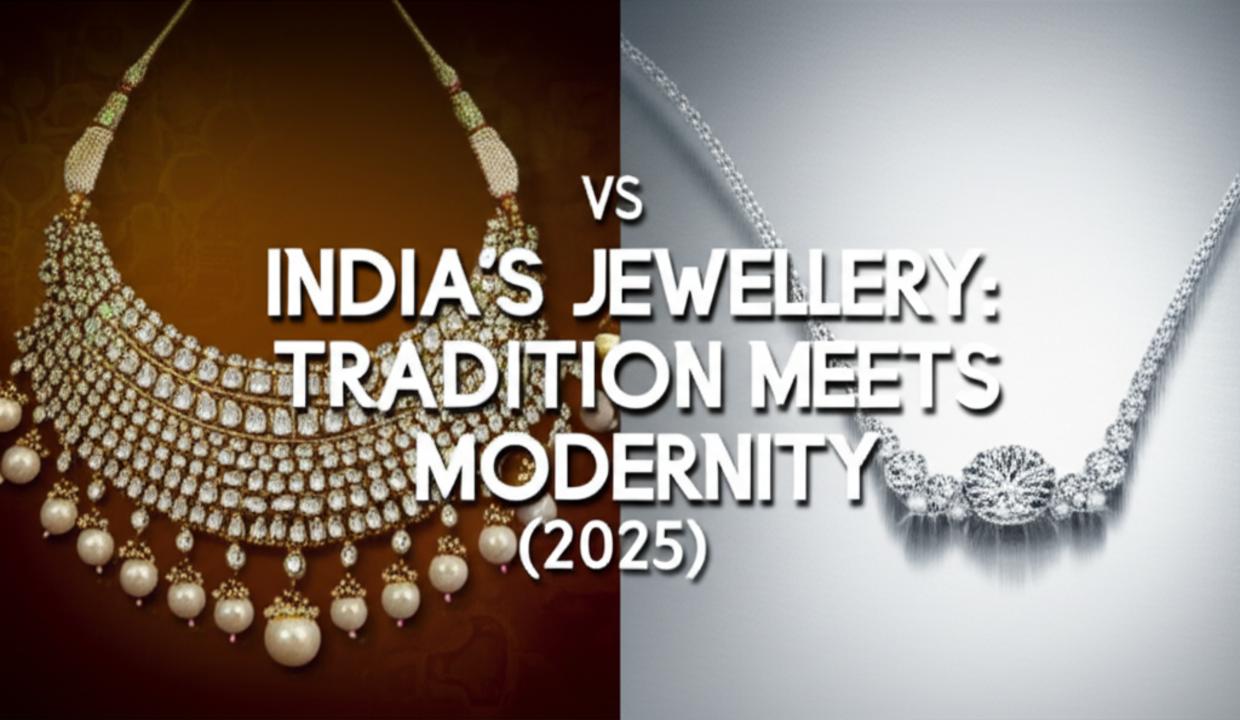
India, a land where tradition beautifully intertwines with modernity, presents a jewellery market that is as diverse as its culture. As we step into 2025, the landscape of Indian jewellery is undergoing a fascinating transformation. Consumers are no longer bound by a single style; instead, they are navigating a vibrant spectrum where age-old craftsmanship meets cutting-edge design. This article delves deep into the fascinating dynamics of jewellery trends India 2025, exploring the captivating interplay between traditional vs contemporary jewellery demand.
From the intricate artistry of heritage pieces to the sleek lines of modern aesthetics, the choices are expanding. Understanding these shifts is key for anyone keen on the future of Indian jewellery styles. We will uncover what truly drives the 2025 jewellery demand, highlighting the trends that are setting the stage for a glittering year ahead.
Main Highlights: Jewellery Trends India 2025: Traditional vs Contemporary Demand
The year 2025 is marked by a distinctive trend fusion in the Indian jewellery market. It’s a period where classic craftsmanship, such as the detailed work seen in Kundan and Polki, seamlessly blends with modern silhouettes. Imagine geometric shapes or pieces adorned with delicate pastel stones; this fusion appeals to a broad audience, encompassing both those who cherish heritage and the fashion-forward consumer.
This dynamic balance is shaping consumer choices. It shows a desire for pieces that tell a story, whether it’s one of ancestral legacy or personal expression. This unique blend truly defines the current landscape of Indian jewellery styles.
Traditional Jewellery Resurgence: Embracing Heritage with a Twist
There is a noticeable and heartwarming revival of heritage-inspired designs. Think of stunning temple jewellery, pieces with an antique finish, and cherished heirloom styles. These items evoke a powerful sense of cultural nostalgia and deep appreciation for skilled craftsmanship.
Modern touches, such as delicate goddess motifs and personalized carvings, are breathing new life into these traditional forms. This resurgence is not just about nostalgia; it’s about celebrating India’s rich artistic legacy. Many brides, for instance, are seeking out these pieces to add a timeless elegance to their wedding ensembles, ensuring their special day is rooted in tradition while still reflecting modern sensibilities. Find more insights on these enduring styles at bridal jewellery trends.
Contemporary Demand Soars: Bold, Versatile, and Minimalistic
On the other side of the spectrum, demand for contemporary jewellery is rapidly rising. Designs that are bold, versatile, and minimalistic are gaining significant traction. This includes statement pieces like multi-layered oxidised necklaces and effortlessly stacked rings or bracelets.
The appeal extends to jewellery featuring pastel and multi-color stones, offering a fresh, modern aesthetic. A notable aspect of this trend is the emergence of gender-neutral pieces, reflecting an urban, youth-driven market. This segment highly values personalization and sustainability, moving beyond traditional norms to embrace individual style. These designs are perfect for daily wear and making distinct fashion statements.
The Ethical Sparkle: Sustainability and Lab-Grown Diamonds
Eco-conscious consumers are significantly influencing the jewellery market in 2025. There’s a growing preference for ethically sourced materials and, notably, for lab-grown diamonds. This trend integrates modern values of responsibility into the age-old craft of jewellery making.
Brands that prioritize transparent supply chains and sustainable practices are gaining trust and popularity. It’s about owning beautiful pieces that not only look good but also feel good, knowing they’ve been acquired responsibly. This shift reflects a broader global movement towards mindful consumption, proving that beauty and ethics can indeed go hand-in-hand in the world of Indian jewellery styles.
Personalization: The Signature Touch
Customized jewellery has become incredibly popular, especially among modern brides and women who seek truly unique pieces. This goes beyond simple initials; we’re talking about engraved pendants that tell a personal story, or bespoke Meenakari and Polki designs that blend individual narratives with traditional artistry.
The desire for personalization is a powerful driver in the 2025 jewellery demand. It allows individuals to express their identity and create a deeper connection with their jewellery. Each piece becomes a wearable extension of their personality, making it more than just an accessory. This trend highlights a growing appreciation for craftsmanship tailored to individual preferences, blending uniqueness with cultural richness. Explore more on customized trends at Indian jewellery trends.
Bridal Bling: A Dual Narrative
Bridal jewellery in 2025 perfectly embodies the dual demand for traditional and contemporary styles. Brides are increasingly embracing both heritage classics, such as elaborate Kundan and glittering Polki sets, alongside more modern choices. These include stunning pieces adorned with pastel gemstones and designs featuring minimalistic settings.
This showcases how Indian weddings, while deeply rooted in tradition, are also evolving to reflect personal style. The wedding season, a peak time for jewellery sales, beautifully illustrates this blend. Brides want pieces that honor their cultural heritage but also feel fresh and aligned with contemporary fashion sensibilities. This balance ensures every bride finds her perfect sparkle.
Market Dynamics: Who’s Buying What and When?
The market for jewellery trends India 2025 is influenced by several key drivers. Traditional jewellery sees seasonal peaks, with demand soaring during festivals and major wedding seasons. These occasions naturally call for classic, elaborate pieces that celebrate cultural heritage.
Conversely, younger consumers are a primary force driving the demand for bold, experimental designs. They gravitate towards stackable and mix-and-match jewellery, reflecting a desire for versatility and self-expression in daily wear. Brands that successfully balance tradition with innovation, embrace ethical practices, and offer tech-enabled personalization are set to lead the market. Their ability to cater to diverse consumer segments will be crucial for success in this evolving landscape. Learn more about the market from Indian jewellery trends.
Traditional vs. Contemporary: A Closer Look
To better understand the distinct preferences shaping the 2025 jewellery demand, let’s look at a comparative overview. Traditional jewellery often features intricate craftsmanship and heritage motifs, appealing to those seeking cultural nostalgia and heirloom pieces for festivals and weddings. Key materials include Kundan, Polki, Temple, and Antique designs. Conversely, contemporary pieces, popular among youth and urban professionals, emphasize geometric shapes, layered stacks, and minimalism. They often use Oxidised finishes, pastel stones, Cubic Zirconia, and Lab-grown diamonds, focusing on ethical sourcing and personalization for daily wear and fashion statements.
| Aspect | Traditional Jewellery | Contemporary Jewellery |
|---|---|---|
| Key Materials/Styles | Kundan, Polki, Temple & Antique designs | Oxidised, pastel stones, cubic zirconia, lab-grown diamonds |
| Consumer Preference | Cultural nostalgia, bridal heirlooms | Youth, urban professionals, gender-neutral designs |
| Design Features | Intricate craftsmanship, heritage motifs | Geometric shapes, layered stacks, minimalism |
| Sustainability Focus | Artisan craftsmanship, slow fashion | Ethical sourcing, sustainability, personalization |
| Popularity Context | Festivals, weddings | Daily wear, personalized style, fashion statements |
What’s New in 2025?
The most exciting development for 2025 is the undeniable rise of fusion jewellery. This isn’t just a niche; it’s becoming a mainstream preference, merging diverse elements into captivating pieces. We’re seeing more experimentation with mixing metals, combining traditional gold with modern silver or rose gold finishes.
Another fresh perspective comes from the emphasis on conscious consumption. The market is increasingly valuing transparency in sourcing, leading to a greater demand for ethically produced items. This commitment to sustainability is more than a trend; it’s a fundamental shift in how consumers view and purchase jewellery, making Indian jewellery styles more responsible and appealing to a global audience. For more new trends, you can visit Indian jewellery trends.
Pros and Cons: Navigating the Diverse Market
| Pros | Cons |
|---|---|
| Wider Choices: Consumers have an unprecedented range from classic to modern. | Overwhelm: Too many choices can sometimes make decisions difficult. |
| Personal Expression: Greater opportunities for bespoke and unique pieces. | Pricing Volatility: Ethical sourcing and custom work can increase costs. |
| Cultural Preservation: Renewed interest helps keep traditional crafts alive. | Maintaining Authenticity: Risk of dilution of traditional techniques with commercialization. |
| Sustainability Focus: Drives positive change in ethical sourcing and production. | Market Saturation: High competition among brands offering similar styles. |
| Investment Value: Traditional pieces often hold significant long-term value. | Trend Dependence: Contemporary designs can become outdated faster. |
Bonus Section: Future Outlook
- Comparison Table: The market is highly dynamic, with brands like Tanishq and Malabar Gold & Diamonds leading in traditional segments, while newer, agile brands like Silvermerc Designs are making waves in contemporary and fusion spaces. Each caters to specific segments, offering diverse price points and styles.
- Competitive Analysis: Traditional giants are adapting by incorporating modern elements, while contemporary brands are exploring traditional motifs. The competitive edge in 2025 lies in blending digital presence with in-store experience, offering virtual try-ons, and personalized consultations. The ability to quickly respond to #fashion trends is also crucial.
- Expert Opinions: According to industry analysts, “The Indian jewellery market in 2025 will thrive on innovation driven by conscious consumerism. Brands that genuinely connect with their customers through storytelling and ethical practices will see sustained growth,” says a leading jewellery market consultant. This highlights the importance of authenticity in marketing and product development.
FAQ
- What are the main jewellery trends in India for 2025?
The main trends for 2025 include a significant fusion of traditional and contemporary styles, a strong resurgence of heritage designs, and a booming demand for minimalist and versatile contemporary pieces. Sustainability and personalization are also key drivers shaping consumer preferences across the board. - Is traditional Indian jewellery still popular in 2025?
Absolutely! Traditional Indian jewellery is experiencing a notable resurgence in 2025. It’s highly popular, especially for festivals, weddings, and as heirloom pieces. Modern touches are often incorporated, bridging the gap between classic charm and contemporary appeal. - What defines contemporary Indian jewellery in 2025?
Contemporary Indian jewellery in 2025 is characterized by bold, versatile, and minimalistic designs. This includes multi-layered necklaces, stacked pieces, and the use of pastel or multi-color stones. There’s also a growing demand for gender-neutral designs that emphasize personalization and ethical sourcing. - Are lab-grown diamonds a significant trend in India for 2025?
Yes, lab-grown diamonds are a significant trend in 2025. Eco-conscious consumers are increasingly preferring them due to their ethical sourcing and sustainable production methods. This preference is influencing both traditional and contemporary jewellery segments. - How does personalization impact 2025 jewellery demand?
Personalization is a major driver of 2025 jewellery demand. Consumers, particularly modern brides, are seeking customized pieces like engraved pendants and bespoke designs. This allows them to express individuality and create unique, meaningful connections with their jewellery.
Conclusion
The jewellery trends India 2025 represent a fascinating confluence of tradition and innovation. The market reflects a sophisticated consumer base that appreciates the rich heritage of Indian jewellery styles while also embracing the sleekness and versatility of contemporary designs. From the timeless appeal of Kundan and Polki to the modern elegance of lab-grown diamonds and pastel stones, the choices are diverse and exciting.
Ultimately, the 2025 jewellery demand is driven by personal expression, cultural connection, and a growing consciousness for ethical practices. This dynamic balance ensures that India’s glittering legacy continues to evolve, offering something truly unique for every individual. We hope this deep dive into traditional vs contemporary jewellery has provided valuable insights. Feel free to share your thoughts in the comments below, or explore more about us on our About Us page, and get in touch via our Contact page.
Watch More in This Video
Get a visual tour of the latest trends dominating the Indian jewellery market this year, featuring fusion Kundan, oxidised layered chains, pastel stones, and personalized pendants.
Disclaimer: All images and videos are sourced from public platforms like Google and YouTube. If any content belongs to you and you want credit or removal, please inform us via our contact page.